

Wonders & Signs | Acts 2:1–21 | The Spirit for All Nations
On Pentecost, the church was born—but not through chaos. Acts 2 records the rushing wind, the tongues of fire, and the miracle of languages, but the heart of the event is found in Peter's sermon: “Everyone who calls on the name of the Lord shall be saved.”
In this sermon, Pastor Mark Groen takes us through Acts 2:1–21, showing how Pentecost is the fulfillment of Old Testament promises, the reversal of Babel, and the launch of God’s global mission. The signs at Pentecost weren't meant to be repeated—they were meant to validate the gospel. The real wonder is the Spirit-empowered proclamation of salvation by grace, now made available to people of every tribe, tongue, and nation.

Triumph | Acts 1:1–11 | Christ Ascended and Reigning
It's good when we arrive at a destination, isn't it? It's good to finally get where we're going. We're glad that we end up safely where we intend to be. Now, we don't dwell on a safe arrival with every arrival that we do because it's not that often that we travel in significant ways. I don't rejoice every time I have a safe journey to the post office or the grocery store. I don't get out of the car and go, I'm safe. I don't call my mom and say, I made it. I don't do that when I walk the some 350 odd steps over here to work every day. It's not a big deal. But when it's a long journey, it's a different story. First, there is that sense that you are done with the trip. That's the part of the arrival that we perhaps like the most. No worrying about whether or not there's a stop to our spot to stop to get food or do other things that you have to do on a trip.

Contentment | Exodus 20:17 | The Cure for a Restless Heart
In a world that constantly tells us we need more to be satisfied, God's Word calls us to something better: contentment. In this sermon on the Tenth Commandment, we explore the heart of coveting, the deep dissatisfaction that often takes root unnoticed, and the joy that comes from trusting in God's provision. Discover how contentment leads us to a life of holiness and reflects the heart of the God who satisfies every need.

Speaking the Truth | Exodus 20:16 Living as Reflections of God's Character
We live in a world where falsehood seems rampant and truth is often questioned. In this sermon on the Ninth Commandment from Exodus 20:16, Pastor Mark Groen explores how speaking the truth is deeply rooted in the very character of God. Discover why truth matters not just for personal integrity, but for glorifying God in a world of deception. Learn how living as people of truth reflects the nature of the One who saved us.

God Provides | Exodus 20:15 | Contentment That Frees the Heart
What does it truly mean to obey "You shall not steal"? In this sermon on Exodus 20:15, Pastor Mark Groen unpacks the Eighth Commandment, showing how theft is not only an outward action but a heart issue rooted in discontentment and distrust of God's provision. From obvious sins like robbery to subtle ones like manipulation and envy, we are challenged to pursue godliness with contentment and to live generous and honest lives that glorify Christ.
Join us in reflecting on how God's abundant provision in Christ calls us to trust, to be content, and to seek heavenly treasures above earthly possessions.

God is Life: Exodus 20:13 | Honoring Life in Heart and Action
In this message on Exodus 20:13, Pastor Mark reveals how the sixth commandment extends beyond physical acts to the hidden anger and resentment in our hearts. Grounded in Jesus’ words from the Sermon on the Mount, this sermon calls us to honor the image of God in others and to live lives marked by love, prayer, and gospel grace.

How We Talk About God: Exodus 20:7 | God Has Spoken—How Should We Speak of Him?
How seriously do we take the way we speak about God? The Third Commandment is about far more than avoiding a few specific words—it's about revering the holy name of the One who has spoken to us and called us His own.
In this sermon, Pastor Mark unpacks Exodus 20:1-7, showing us the depth of the Third Commandment. It’s not just about avoiding misuse of God’s name but also about how we live, speak, and teach in a way that reflects His truth and glory. Our speech matters because God’s name is holy, and He has spoken to us with power and grace.
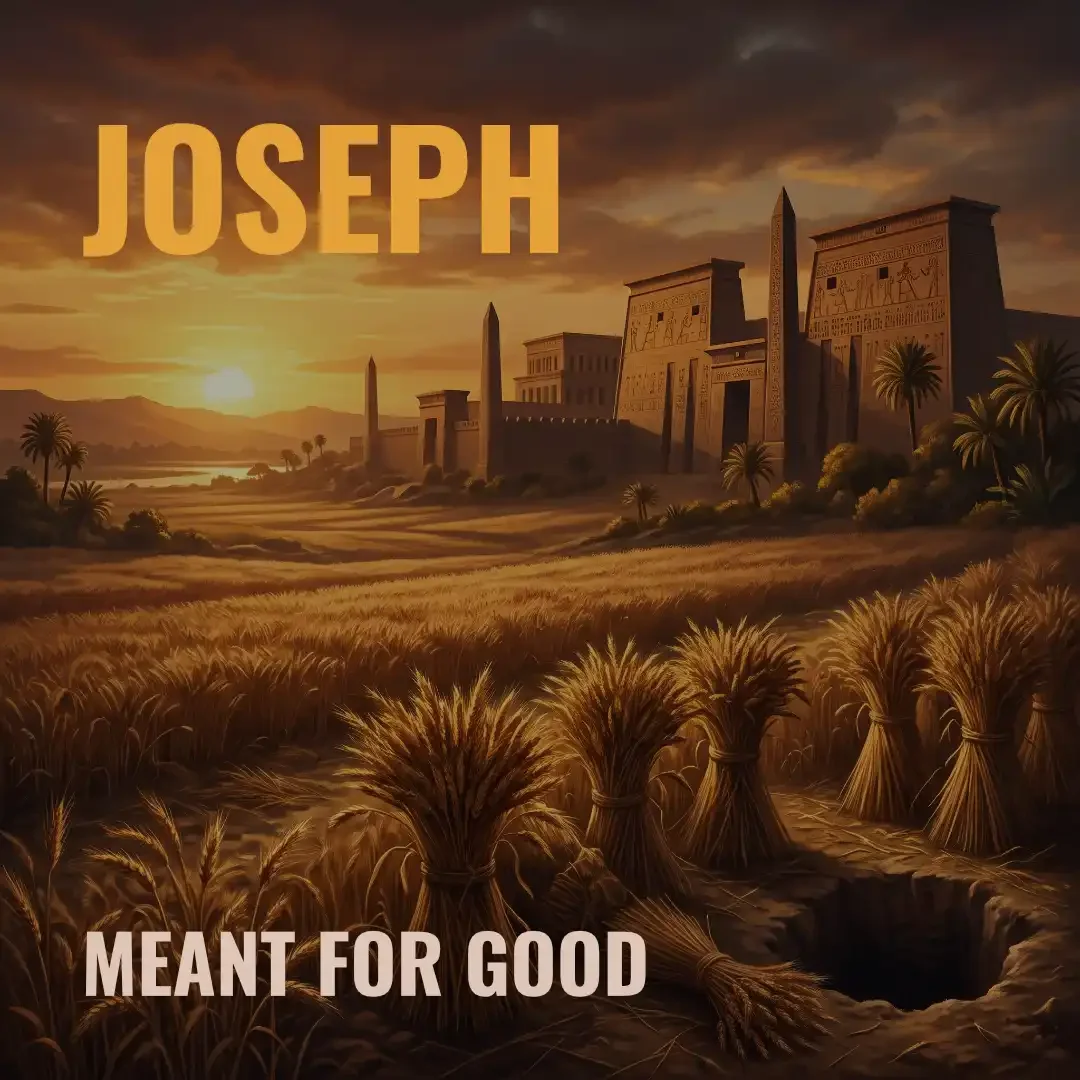
God Meant It for Good | Genesis 50:1-26 | The End of Genesis
Genesis ends with two funerals and a promise. In this final sermon from Genesis, Joseph and his brothers carry Jacob to the cave of Machpelah with all the honor of Egypt. Afterward the brothers fear Joseph will take revenge, but Joseph tells them, "You meant evil against me, but God meant it for good." Joseph dies in faith, telling his brothers, "God will surely visit you," and asking them to carry up his bones. From beginning to end, Genesis shows that God keeps his promises, and in Christ he will preserve his people forever.
Assemble and Listen | Genesis 49:1-33 | Jacob's Last Words
Jacob calls his sons together: "Assemble and listen, O sons of Jacob." Unlike the divided families earlier in Genesis, they are gathered as one people. In this sermon on Genesis 49, Reuben, Simeon, and Levi are passed over, and the promise rests on Judah: "The scepter shall not depart from Judah." That line runs to King David and to Jesus, the Lion of the tribe of Judah, who reigns forever. Jacob breathes his last and is gathered to his people, and God gathers us too, each Lord's Day by his word and one day to himself.
God Will Bring You | Genesis 48:1-22 | Jacob Blesses Ephraim and Manasseh
Jacob is dying, but he gathers his strength and sits up in bed to testify to God's promise. In this sermon on Genesis 48, Jacob adopts Joseph's sons Ephraim and Manasseh as his own, crosses his hands to bless the younger over the older, and tells Joseph, "God will be with you and will bring you again to the land of your fathers." The scheming son who once grabbed the blessing for himself now trusts God beyond his own lifetime. God works through hardship to shape his people, and through the suffering of the cross he brings salvation.
Deal Kindly with Me | Genesis 47:1-31 | Not Our Home
There's no place like home, and Egypt was not home for Jacob's family. In this sermon on Genesis 47, Jacob's family settles in Goshen, and Jacob, an old sojourner with a limp, blesses Pharaoh, the most powerful man in the world. As the famine goes on, the Egyptians lose their money, livestock, and land, while Israel is fruitful and multiplies. Near the end of his life, Jacob asks Joseph to deal kindly with him and bury him with his fathers in the promised land. God has dealt kindly with us in Jesus Christ, and the Lord's Supper is a sign and seal of his covenant faithfulness.
A Great Nation | Genesis 46:1-34 | Jacob Goes Down to Egypt
Jacob sets out for Egypt, but he stops at Beersheba to worship, and God speaks to him in visions of the night: "Do not be afraid to go down to Egypt, for there I will make you into a great nation." In this sermon on Genesis 46, we see why a "boring" list of seventy names matters: God keeps his promise to his people. Jacob and Joseph are reunited at last, and Joseph settles his family apart in Goshen as shepherds. In Christ we are a great nation too, called to be set apart to God, whatever the cost.
Joseph Revealed | Genesis 45:1-28 | God Sent Me Before You
Joseph can no longer hold back. Weeping so loudly that Pharaoh's household hears, he tells the brothers who sold him into slavery, "I am Joseph." They are terrified, but Joseph is not bent on revenge: God sent him ahead to preserve a remnant. What they meant for evil, God used to preserve life. In this sermon on Genesis 45, Pharaoh sends wagons for Jacob's family, and Jacob's numb heart revives. The main character in this story is God, who keeps his promises, and in Christ we have a brother who has gone before us to save us.
The Brother's Sorrow | Genesis 44:1-34 | Judah Offers Himself
Joseph's silver cup turns up in Benjamin's sack, and the brothers who once sold Joseph into slavery tear their clothes and go back to the city together. In this sermon on Genesis 44, Judah, who once had no regard for his family, pleads for his father and offers to remain as a slave in Benjamin's place. God has been at work in these brothers through sorrow and guilt, and Judah's self-sacrificial love points to Jesus, the Lion of the tribe of Judah, who gave himself for us.

Sent For This Purpose: Luke 4:31-44 | Power, Purpose, and the Kingdom of God
Why did Jesus come? In Luke 4, Jesus not only teaches with divine authority, but His power is displayed as He commands unclean spirits, heals the sick, and proclaims the kingdom of God. The people marvel at His authority, but Jesus makes it clear—He did not come just to perform miracles, but to preach the good news of God's reign.
This passage challenges us: Do we recognize Jesus' authority in our own lives? Do we submit to His Word, trusting that He alone has the power to save? As the demons tremble and the sick are healed, we see that Christ’s ultimate mission was to proclaim salvation, bringing the dead to life and breaking the chains of sin.
In Your Hearing: Luke 4:16-30 | The Messiah We Want vs. The Messiah We Need
Why did Jesus' own people reject Him? In Luke 4, Jesus returns to His hometown of Nazareth and proclaims the fulfillment of Isaiah’s prophecy. At first, the crowd marvels at His words—until He challenges their assumptions about God’s grace. When Jesus declares that salvation extends beyond Israel to the Gentiles, their admiration turns to fury.
This passage forces us to examine our own hearts. Do we accept God’s Word even when it challenges us? Do we trust in His sovereign grace, even when it reaches those we might least expect? Jesus’ message is clear—the gospel is for all people. But will we hear and believe, or will we resist like the people of Nazareth?
Him Only: Luke 4:1-15 | Victory in the Wilderness, Hope for Us
Have you ever felt the weight of temptation pressing in? In Luke 4, we witness the moment when Jesus, led by the Spirit, faces the full force of the enemy’s temptations. Yet, where Adam failed and Israel fell short, Jesus stands firm. His victory in the wilderness isn’t just a personal triumph—it’s our hope, our assurance, and the foundation of our salvation.

December 26 Sermon: The Beloved Son
We move from one season to another very quickly don’t we. Yesterday was Christmas and while we not quite ready to move on yet, it won’t be long before we do. The joke is always that as soon as one season is done in the stores you show up the next day and the next one is set up. The music is different on the speakers and the previous season is on clearance. Time moves quickly and so does the world around us.
As we return to the book of Luke this morning, we find the story moving very quickly as we move on from the story of the announcement of Jesus and his early life.

October 21 Sermon: Treasured
There is a great attraction to know what people used to look like. I can remember television shows from years back where they would do features on celebrities and what they looked like and what they did before they became the famous people we knew them as. This phenomenon is obviously not something that has gone away because now you can hardly navigate a website without some sort of “what did so and so look like before they were famous” click bait article staring you in the face. And the proof of the allure of this information is the fact that you have to click through dozens of pages laden with ads to see them. They are banking that after you see a picture of what one celebrity used to look like, you’ll just have to see more.
Glory to God: Luke 2:1-21 | God’s Faithfulness in Real Time and History
Have you ever noticed how seasons and events set the world in motion? Whether it’s the rush of holiday travel or the gathering of crowds before a big game, movement points to something greater at work. In Luke 2, we see that God has set the entire world in motion to fulfill His sovereign purpose—bringing the Savior into the world. Through a Roman census, a humble manger, and an announcement to lowly shepherds, the eternal King arrives exactly as God ordained. In this sermon, we explore how Jesus’ birth was not just a sentimental story but a fulfillment of God’s covenant promises. From the prophetic necessity of Bethlehem to the angelic declaration of a Savior, this passage reminds us that God is at work in real history, bringing salvation to His people. The birth of Christ calls us to worship, just as it did the shepherds, and to proclaim the good news of God’s faithfulness to a watching world. At First Reformed, we are a Confessional Presbyterian and Reformed church committed to Christ-centered preaching and scriptural fidelity. We believe in the power of the gospel to transform lives and invite you to explore the riches of God’s Word with us.